



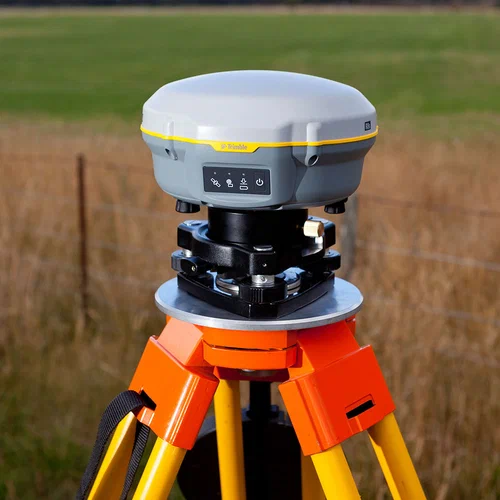
In today’s increasingly unpredictable world, the ability to respond swiftly and effectively to natural disasters and emergencies is more important than ever. One of the most powerful tools aiding emergency services and disaster management agencies is Global Navigation Satellite Systems (GNSS). From early warning systems to post-disaster recovery, gnss technology plays a critical role in saving lives and minimizing damage. This article explores how GNSS enhances disaster management and emergency response in multiple ways.
What is GNSS?
GNSS refers to a network of satellites that provide positioning, navigation, and timing (PNT) data to receivers on Earth. Popular GNSS systems include the American GPS, Russia’s GLONASS, Europe’s Galileo, and China’s BeiDou. These systems allow users to determine their exact location anywhere in the world with high accuracy, making them essential in emergency planning and disaster response.
Real-Time Location Tracking
One of the key ways GNSS enhances disaster management and emergency response is through real-time location tracking. During emergencies such as earthquakes, floods, or wildfires, responders need accurate data to locate victims, assess damages, and coordinate rescue efforts. GNSS-enabled devices allow emergency personnel to track each other’s positions and optimize resource allocation.
For instance, during a large-scale wildfire, GNSS can help track the movement of fire crews, water tankers, and evacuation vehicles in real time. This ensures safety and helps streamline efforts, reducing the chaos often associated with such events.
Early Warning and Risk Mitigation
GNSS is integral to early warning systems, especially for natural hazards like tsunamis, earthquakes, and landslides. GNSS sensors can detect small movements in the Earth’s crust, helping geologists predict seismic activity. The data is then used to issue alerts and evacuate areas before disaster strikes.
For example, in regions prone to tsunamis, GNSS buoys in the ocean detect wave anomalies that signal an approaching threat. This data, when integrated with other systems, provides precious minutes of warning—enough time to save countless lives.
Search and Rescue Operations
Search and rescue (SAR) missions rely heavily on accurate positioning. GNSS improves the effectiveness of these operations by helping responders navigate difficult terrain and locate missing persons more efficiently. Many personal locator beacons (PLBs) used by hikers, sailors, and pilots are GNSS-enabled and can transmit distress signals to emergency services with precise coordinates.
Moreover, aerial and drone-based SAR operations benefit significantly from GNSS guidance, especially in regions that are difficult to access by foot or vehicle.
Post-Disaster Assessment and Recovery
Once the immediate danger has passed, GNSS continues to play a critical role in post-disaster recovery. Satellite imagery combined with GNSS data helps in assessing damage, planning reconstruction, and monitoring environmental changes over time.
For example, after a major flood, GNSS technology can map the extent of the water coverage and guide relief operations to the most affected areas. Infrastructure inspections—such as checking the stability of bridges, roads, and buildings—are also made easier with accurate GNSS-based mapping tools.
Conclusion
Understanding how GNSS enhances disaster management and emergency response underscores the importance of integrating advanced geospatial technologies into emergency planning. From real-time tracking to early warnings and post-disaster analysis, GNSS provides critical data that empowers responders to act quickly and effectively.
As climate change increases the frequency and severity of natural disasters, GNSS will remain a cornerstone of global disaster resilience strategies. Investing in GNSS infrastructure and training is not just a technological upgrade—it’s a commitment to saving lives.
