



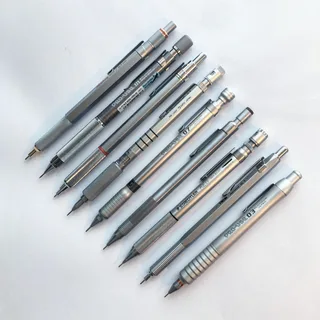
Choosing the right pencil can significantly affect your writing or drawing experience. Whether you are a student, artist, or professional, the debate between mechanical pencil and traditional pencils is a common one. In this article, we will explore the pros and cons of both types to help you decide which one suits your needs best. So, let’s dive into the ultimate comparison: Mechanical Pencil vs Traditional Pencil: Which One Wins?
Understanding the Basics
What is a Mechanical Pencil?
A mechanical pencil is a writing instrument with a thin, replaceable lead that can be extended by clicking or twisting. It eliminates the need for sharpening, offering a consistent line width and cleaner writing experience.
What is a Traditional Pencil?
The traditional pencil, also known as a wooden pencil, consists of a graphite core encased in wood. It requires regular sharpening to maintain a fine point and has been a staple in classrooms and art studios for centuries.
Advantages of Mechanical Pencils
Mechanical pencils come with several benefits:
- Consistency: They provide a consistent line width without the need for sharpening.
- Convenience: You can refill the lead without throwing away the pencil.
- Durability: Made from sturdy materials, they often last longer than wooden pencils.
- Cleanliness: No wood shavings to clean up, making them ideal for neat workspaces.
Advantages of Traditional Pencils
Traditional pencils have their unique strengths as well:
- Versatility: They can create varied line thickness depending on sharpening and pressure.
- Cost-Effective: Generally cheaper upfront and widely available.
- Natural Feel: Many users prefer the tactile sensation of writing or drawing with wood.
- Erasability: Traditional graphite tends to erase cleaner than some mechanical leads.
Disadvantages to Consider
Both pencils have drawbacks. Mechanical pencils can be prone to lead breakage and may feel less natural to some users. On the other hand, traditional pencils require constant sharpening, which can interrupt workflow and cause waste.
Mechanical Pencil vs Traditional Pencil: Which One Wins?
Deciding between these two depends largely on personal preference and use case. If you prioritize convenience, consistency, and a clean workspace, mechanical pencils might be the winner for you. However, if you value versatility, a natural writing feel, and budget-friendliness, traditional pencils could be the better choice.
Best Uses for Each
- Mechanical Pencil: Ideal for precise technical drawing, note-taking, and environments where cleanliness is important.
- Traditional Pencil: Perfect for sketching, shading, and situations where variable line weight is desired.
Conclusion
The debate of Mechanical Pencil vs Traditional Pencil: Which One Wins? doesn’t have a one-size-fits-all answer. Both pencils bring unique features to the table. Ultimately, your decision should be based on your specific needs and preferences. Whether you choose the precision of a mechanical pencil or the timeless feel of a traditional pencil, both can help you achieve excellent results.
