



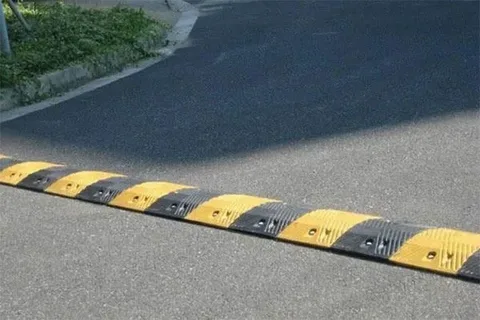
Traffic calming measures have become increasingly common in residential areas, school zones, and busy urban streets. Among these measures, speed bumps are one of the most widely implemented solutions. But the question remains: are speed bumps effective in improving road safety and controlling traffic flow? This article explores the pros, cons, and real-world impact of speed bumps to help answer that question.
What Are Speed Bumps?
Speed bumps are raised sections of pavement installed across roadways to slow down vehicles. Typically made of asphalt, rubber, or plastic, they are designed to force drivers to reduce speed to avoid discomfort or potential vehicle damage. They differ from speed humps, which are longer and more gradual, but serve a similar purpose of controlling traffic speed.
Pros of Speed Bumps
1. Reduce Vehicle Speeds
One of the most obvious benefits of speed bumps is their ability to slow down vehicles. Studies have shown that speed bumps can significantly reduce average driving speeds in residential and high-risk areas, which can lead to fewer accidents.
2. Improve Pedestrian Safety
Slower vehicle speeds directly contribute to pedestrian safety. In areas near schools, parks, and crosswalks, speed bumps help ensure that drivers are more aware of pedestrians, reducing the risk of collisions.
3. Cost-Effective Traffic Control
Compared to more complex traffic control measures like traffic lights or roundabouts, speed bumps are relatively inexpensive to install and maintain. This makes them a practical option for municipalities with tight budgets.
Cons of Speed Bumps
1. Emergency Vehicle Delay
One of the major drawbacks is that speed bumps can slow down emergency vehicles, such as ambulances and fire trucks. Even a small delay can be critical in life-threatening situations.
2. Vehicle Wear and Tear
Frequent driving over speed bumps can cause wear and tear on vehicles, particularly on suspensions and tires. Some drivers may also swerve or brake suddenly to avoid bumps, which can create hazards.
3. Noise Pollution
Speed bumps can contribute to increased noise, as vehicles often brake or accelerate sharply when approaching them. In residential areas, this can be a significant nuisance for residents.
Real-World Impact
The effectiveness of speed bumps can vary depending on location and design. Research indicates that in well-placed areas—such as school zones and densely populated neighborhoods—they significantly reduce speeding and accidents. However, overuse or poor placement can lead to traffic congestion, increased emissions from braking and accelerating, and frustration among drivers.
Case Study
In one urban study, streets with speed bumps saw a 50% reduction in average vehicle speed and a 40% decrease in minor accidents. However, emergency response times increased by approximately 2-3 minutes, highlighting the trade-off between safety for pedestrians and rapid emergency access.
Conclusion
So, are speed bumps effective? The answer depends on perspective. They are highly effective in slowing traffic and improving pedestrian safety in specific areas, but they also have downsides, including emergency delays and vehicle wear. Ultimately, proper placement, design, and a balanced approach are key to maximizing their benefits while minimizing drawbacks.
When considering traffic calming measures, understanding both the pros and cons—and the real-world impact—is essential for creating safer streets.
