



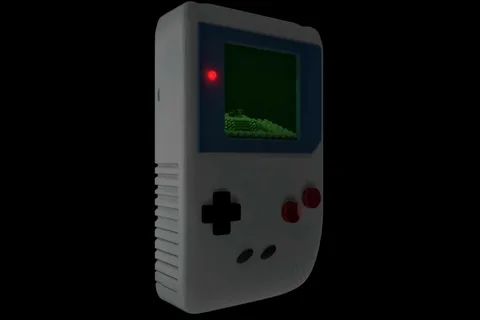
If you’re a gaming enthusiast looking to relive the nostalgia of classic games, a retro game projector can bring your favorite titles to life in a big, immersive way. With a wide variety of models available today, it can be tricky to know which features truly matter. This guide will walk you through the key aspects to consider before making your purchase.
1. Display Quality: Resolution and Brightness
One of the most important considerations in a retro game projector buying guide is display quality. Older games don’t require 4K resolution, but you’ll still want a crisp, clear image. Look for:
- Resolution: A minimum of 720p is sufficient for retro games, though 1080p provides sharper visuals.
- Brightness: Measured in lumens, brightness determines how well the projector performs in different lighting conditions. For well-lit rooms, aim for 2,000 lumens or higher.
- Color Accuracy: Even for retro graphics, vibrant colors enhance the gaming experience.
2. Connectivity Options
Retro consoles often use older connection types such as HDMI, RCA, or even SCART. A projector with multiple input options ensures compatibility with your collection. Key points:
- HDMI Ports: Essential for modern retro console adapters.
- RCA or AV Input: Necessary for classic consoles like the NES or Sega Genesis.
- USB or SD Card Slots: Handy if you plan to play ROMs or digital versions of retro games.
3. Throw Distance and Screen Size
The projector’s placement impacts the image size and quality. When exploring a retro game projector buying guide, consider:
- Throw Distance: Short throw projectors can create large images even in small rooms, while standard throw projectors require more space.
- Adjustable Keystone: Helps maintain a rectangular image when the projector isn’t perfectly aligned.
- Screen Size Compatibility: Most projectors support a range from 30 to 150 inches, so choose according to your room size.
4. Audio Capabilities
While some retro consoles output sound directly, built-in projector speakers can enhance convenience. Look for:
- Speaker Quality: Stereo speakers with at least 3W output are common.
- Audio Output: For a better experience, projectors with headphone or Bluetooth output can connect to external speakers or sound systems.
5. Portability and Design
If you plan to move your projector between rooms or take it to friends’ houses, portability is important. Features to consider:
- Weight and Size: Lightweight models are easier to transport.
- Cooling System: Efficient cooling prevents overheating during long gaming sessions.
- Durability: A sturdy build ensures your projector withstands frequent use.
Conclusion
Choosing the right retro game projector involves balancing display quality, connectivity, audio, and portability. By focusing on the features outlined in this guide, you can enjoy your favorite retro games in stunning detail and immersive sound. Whether it’s for solo play or multiplayer sessions, the perfect projector can turn your living room into a nostalgic arcade experience.
