



Introduction
Video editing has evolved dramatically over the years. What once required expensive software, advanced technical skills, and hours of manual work can now be completed with the help of intelligent tools. The rise of artificial intelligence has introduced automated editing features that help creators produce professional-looking videos faster and more efficiently.
The debate around AI-Powered Video Editor vs Traditional Editing: Which Is Better? has become increasingly common among content creators, businesses, and professional editors. While traditional editing methods offer complete creative control, AI-powered solutions provide speed, automation, and accessibility. Understanding the strengths and limitations of both approaches can help users choose the right option for their needs.
What Is Traditional Video Editing?
Traditional video editing is the conventional approach where editors manually arrange footage, cut clips, add transitions, adjust colors, synchronize audio, and apply visual effects. Popular professional editing programs have been used for decades by filmmakers, agencies, and experienced creators.
This method gives editors full control over every detail of a project. They can make precise adjustments, experiment with creative ideas, and customize every element according to their vision. However, traditional editing often requires significant time, technical knowledge, and experience.
Advantages of Traditional Editing
- Complete creative control: Editors can manually adjust every frame and effect.
- High level of customization: Complex projects can be tailored to specific requirements.
- Professional-quality results: Skilled editors can create cinematic videos with advanced techniques.
- Greater flexibility: Traditional tools support detailed modifications that automated systems may not provide.
Challenges of Traditional Editing
Despite its benefits, traditional editing can be demanding. Beginners may face a steep learning curve, and large projects can take many hours or even days to complete. Professional software can also require powerful computers and costly subscriptions.
What Is an AI-Powered Video Editor?
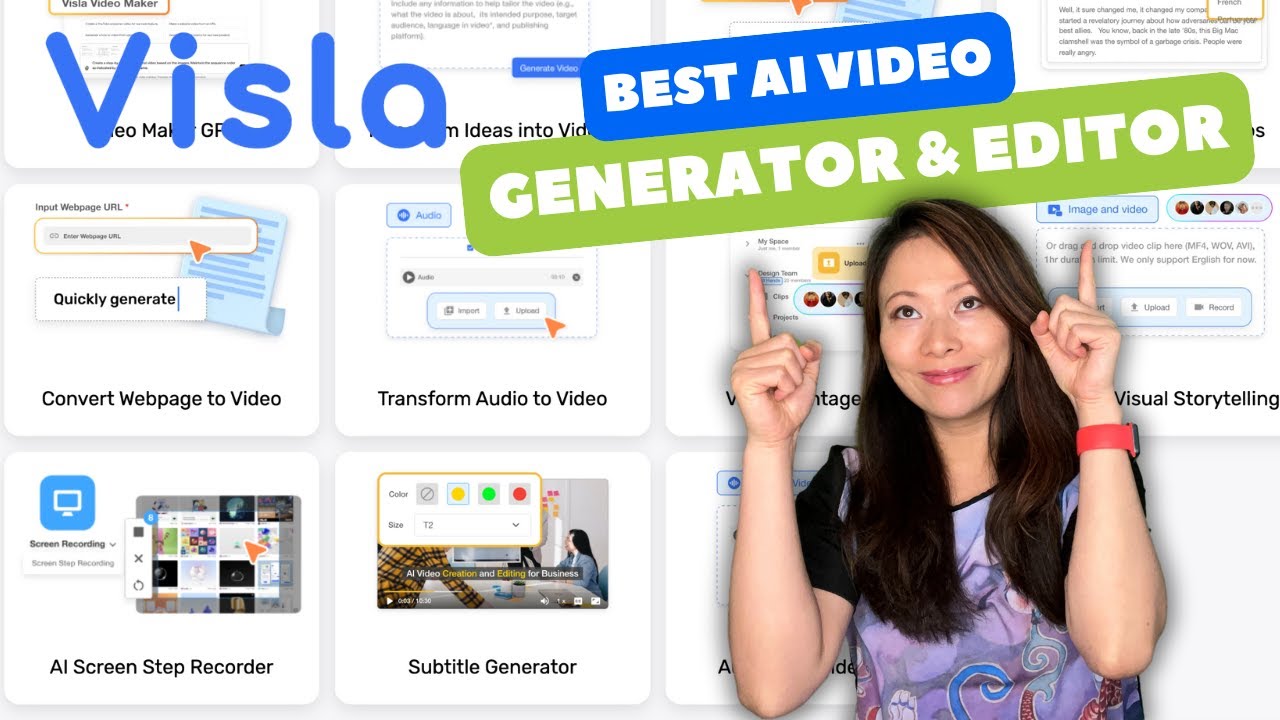
An AI-powered video editor uses artificial intelligence and machine learning technologies to automate different parts of the editing process. These tools can analyze footage, identify important moments, remove unwanted sections, generate captions, enhance audio, and recommend creative improvements.
AI editing platforms are designed to make video production faster and easier, especially for users who do not have extensive editing experience.
AI-Powered Video Editor vs Traditional Editing: Which Is Better?
When comparing modern AI tools with traditional methods, the answer depends on the user’s goals. An AI-powered video editor is often better for speed, convenience, and simple content creation. It can help social media creators, marketers, and small businesses produce videos quickly without spending hours learning complex software.
On the other hand, traditional editing remains the preferred choice for projects that require detailed storytelling, advanced visual effects, and complete artistic control. Professional filmmakers and experienced editors often rely on manual techniques because they allow them to bring unique creative ideas to life.
Key Differences Between AI and Traditional Editing
1. Speed and Efficiency
AI-powered editing tools can complete many tasks automatically. Features like automatic trimming, scene detection, and instant caption generation significantly reduce editing time.
Traditional editing requires more manual effort. Although experienced editors can work quickly, the process usually takes longer because every adjustment must be made individually.
2. Ease of Use
AI editing tools are generally easier for beginners. Users can create polished videos with minimal technical knowledge.
Traditional editing software requires practice and understanding of various tools, timelines, effects, and editing techniques.
3. Creativity and Control
Traditional editing provides unmatched creative freedom. Editors can make detailed decisions about pacing, transitions, color grading, and storytelling.
AI tools can support creativity by offering suggestions, but they may not always understand the specific artistic vision behind a project.
4. Cost and Accessibility
Many AI-powered editing platforms are affordable and accessible through online subscriptions or free versions. They allow more people to participate in video creation.
Traditional professional editing software and equipment can involve higher costs, making it less accessible for beginners.
Which One Should You Choose?
The right choice depends on your editing requirements. If you need quick social media videos, promotional clips, tutorials, or simple content, an AI-powered video editor can save time and effort.
For films, documentaries, advertisements, and projects where every creative detail matters, traditional editing may be the better option. Many professionals are now combining both approaches by using AI for repetitive tasks while keeping human creativity at the center of the process.
The Future of Video Editing
The future of video production will likely involve a combination of artificial intelligence and human expertise. AI will continue improving automation, making editing faster and more accessible, while human editors will remain essential for creativity, emotion, and storytelling.
Rather than replacing traditional methods completely, AI is becoming a valuable assistant that helps creators focus on the most important parts of their work.
Conclusion
The discussion of AI-Powered Video Editor vs Traditional Editing: Which Is Better? does not have a single answer because both methods serve different purposes. AI-powered tools provide speed, simplicity, and convenience, while traditional editing delivers precision, creativity, and professional control.
For beginners and fast-paced creators, AI editing can be an excellent solution. For professionals seeking complete creative freedom, traditional editing remains highly valuable. The best approach may be using both technologies together to achieve efficient workflows and high-quality results.
