



Landscaping involves much more than keeping outdoor areas visually appealing. Commercial properties need landscapes that remain healthy, functional and presentable throughout changing conditions. The materials and supplies used during routine landscaping duties influence how well plants grow, how efficiently outdoor areas are maintained and how consistently a property looks.
Choosing the right commercial green landscaping supplies supports landscapers as they manage planting areas, lawns, gardens and other outdoor spaces. Quality supplies help establish healthier landscapes while making everyday maintenance more organized and effective.
Support Healthier Plant Growth
Plants require appropriate conditions to establish strong roots and maintain healthy growth. Soil amendments, fertilizers, mulch and other landscaping materials contribute to the environment surrounding plants.
Commercial landscaping teams often manage larger areas than residential gardeners. This means supplies must meet the demands of repeated maintenance and broader planting zones. Selecting materials suited to specific plants and soil conditions helps landscapers maintain healthier outdoor environments.
Proper plant care also reduces unnecessary stress on vegetation. Healthy plants generally create a more established appearance, helping commercial properties maintain attractive grounds for employees, customers and visitors.
Improve Soil Conditions
Healthy landscaping begins beneath the surface. Soil quality affects how plants receive water, nutrients and oxygen. Compacted, depleted or poorly draining soil may create challenges for both new plantings and established vegetation.
Landscaping supplies designed to improve soil structure provide valuable support during installation and ongoing maintenance. Organic materials and appropriate soil amendments help address specific conditions while creating a more suitable growing environment.
Before applying any product, landscapers should understand the property’s soil characteristics and the needs of the plants involved. Using the right material for the situation is more effective than applying products without a clear purpose.
Help Manage Water Effectively
Water management represents an important part of commercial landscaping duties. Too little water may stress plants, while excessive moisture may contribute to root problems and soil erosion.
Appropriate landscaping supplies support more efficient water management. Mulch, irrigation components and soil-focused products help landscapers maintain moisture levels and direct water where it is needed.
Efficient watering also contributes to responsible resource use. Regularly checking irrigation systems and adjusting watering practices according to seasonal conditions helps prevent unnecessary water consumption while supporting plant health.
Reduce Maintenance Challenges
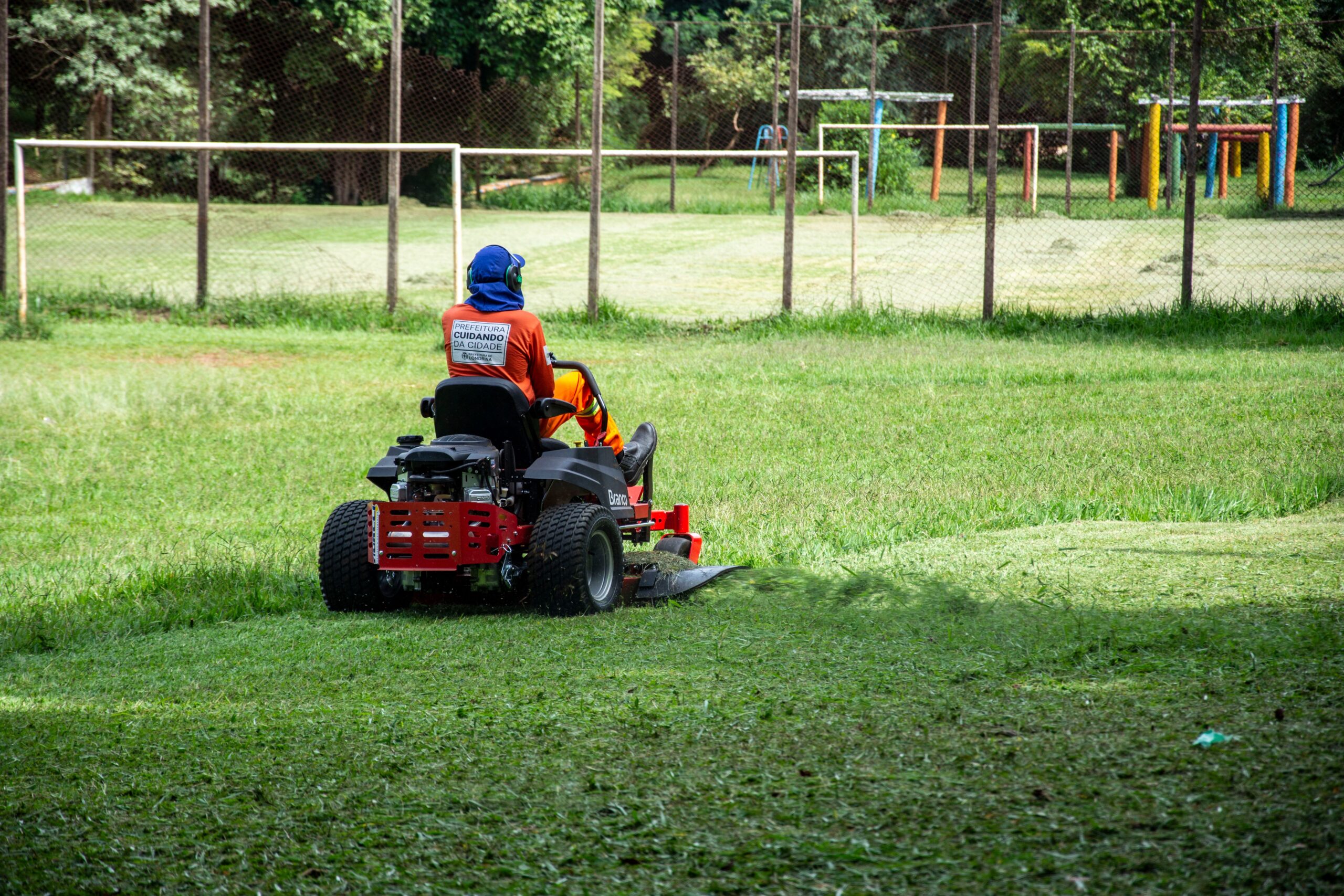
Commercial landscapes require regular attention. Grass needs mowing, planting beds need care and weeds require control. The right supplies make these tasks more manageable and help maintenance teams work consistently across larger properties.
Mulch, for example, helps cover exposed soil and provides a defined appearance around planting beds. Other maintenance products support weed management, soil care and plant nutrition.
Using suitable materials also helps establish consistent maintenance practices. A landscaping team working across multiple areas benefits from having dependable supplies that meet the property’s requirements.
Improve Outdoor Appearance
A commercial property’s landscape often contributes to its overall first impression. Unmaintained planting beds, unhealthy grass and poorly defined outdoor areas may make a property appear neglected.
Quality landscaping supplies support a cleaner and more polished appearance. Healthy vegetation, properly maintained soil and organized planting areas create visual continuity throughout the property.
This matters for office buildings, retail locations, hospitality properties and other commercial spaces where outdoor presentation forms part of the visitor experience. A well-maintained landscape communicates attention to the property without relying on excessive decorative elements.
Support Sustainable Landscaping Practices
Green landscaping focuses on maintaining outdoor spaces while considering how materials and maintenance practices affect the surrounding environment. Choosing appropriate supplies supports this approach.
Products that promote soil health, efficient water use and responsible plant care help landscaping teams maintain properties with greater awareness of resource consumption. Organic materials and environmentally responsible options may also support broader sustainability goals when they suit the specific landscape.
Sustainability should remain practical. A product’s environmental claims, intended use and compatibility with the landscape should all be evaluated before selection.
Choose Supplies Based on Property Needs
Every commercial landscape has different requirements. A large office campus may need different materials from a small retail property or hospitality site. Climate, soil type, plant selection, foot traffic and irrigation systems all influence which supplies are appropriate.
Landscapers should evaluate the property before purchasing materials. Creating a maintenance plan helps identify which products are needed regularly and which are required only for specific projects.
Storage also deserves attention. Supplies should remain protected from conditions that may reduce their effectiveness. Proper inventory management prevents unnecessary purchases and ensures essential materials remain available when maintenance work begins.
Make Landscaping Duties More Efficient
Commercial landscaping teams often balance routine maintenance with seasonal projects. Having dependable supplies available helps them complete tasks without unnecessary interruptions.
Planning purchases around upcoming maintenance requirements also improves organization. Instead of waiting until a product runs out, landscaping teams may monitor inventory and schedule replenishment based on usage patterns.
Efficiency matters because commercial landscaping involves ongoing responsibilities. A well-planned supply strategy supports smoother workflows while helping teams maintain consistent standards across the property.
Commercial landscaping depends on more than equipment and labor. The materials used throughout planting, maintenance and soil care directly influence the condition of outdoor spaces. By selecting appropriate supplies, evaluating property-specific needs and following responsible maintenance practices, landscaping professionals create healthier and more attractive commercial environments.
Investing in suitable landscaping materials is ultimately an investment in the long-term condition of the property. With thoughtful planning and reliable commercial green landscaping supplies, landscaping duties become more organized, consistent and focused on maintaining outdoor spaces that continue to serve the property well.
