



When it comes to ventilating kitchens and bathrooms, extractor fan are indispensable for removing moisture, odours, and airborne pollutants. However, a common dilemma homeowners face is choosing between a ceiling-mounted or a wall-mounted extractor fan. Both types offer effective ventilation, but they differ significantly in terms of installation, aesthetics, and suitability for various home layouts. Understanding the pros and cons of each can help you make the best decision for your specific needs.
Ceiling-Mounted Extractor Fans
Ceiling-mounted fans are installed directly into the ceiling, often above the primary source of moisture or odours (e.g., shower, cooktop).
- Pros:
- Aesthetics: They can be very discreet, blending seamlessly into the ceiling for a minimalist look. Integrated models with lights are particularly unobtrusive.
- Optimal Placement: Hot, moist air naturally rises, making ceiling placement ideal for capturing steam and humidity directly.
- Versatility in Ducting: Often paired with inline fan systems, where the motor is located in the roof cavity, leading to significantly quieter operation in the room itself.
- Ideal for Internal Rooms: Essential for bathrooms or kitchens without an exterior wall, as they can vent through the roof.
- Cons:
- More Complex Installation: Typically requires access to the roof cavity or attic space for installation and ducting. This can be more labour-intensive and costly, especially in multi-story homes or those with limited attic access.
- Ducting Length: Long duct runs can reduce efficiency and increase the risk of condensation if not properly insulated.
- Maintenance: Filters and motor access can be more challenging for cleaning and maintenance due to their elevated position.
- Cost: Inline fan systems, which offer the quietest operation, tend to be more expensive than direct-vent wall-mounted units.
Wall-Mounted Extractor Fans
Wall-mounted fans are installed directly into an exterior wall, venting air directly outside.
- Pros:
- Simpler Installation: Often easier and less costly to install, especially in existing homes, as they require a direct cut through an exterior wall. This is particularly advantageous for ground-floor kitchens or bathrooms with an accessible external wall.
- Direct Venting: Provides highly effective removal of moist, stale, or polluted air directly outside, preventing recirculation of contaminants. Shorter duct runs mean less efficiency loss and reduced condensation risk.
- Accessibility: Filters and components are generally easier to access for cleaning and maintenance.
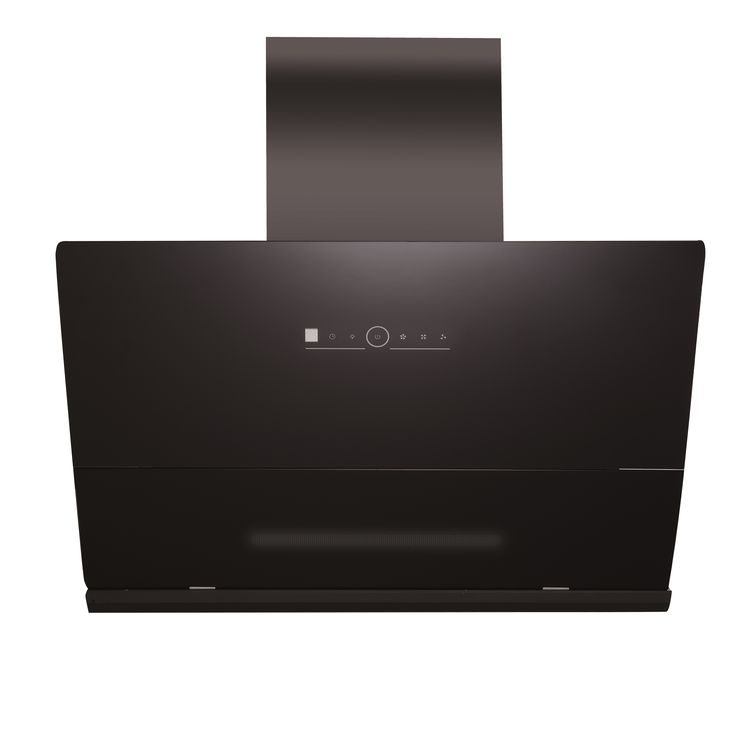
- Design Variety (Kitchens): Wall-mounted chimney-style rangehoods can be a prominent design feature in kitchens, available in various styles and finishes.
- Cons:
- Placement Limitations: Requires an available exterior wall, limiting placement options in some room layouts.
- Aesthetics (Bathrooms): Can be more noticeable than discreet ceiling units, which might not be preferred in bathrooms where a sleek look is desired.
- Noise (Direct Vent): If the fan motor is integrated directly into the wall unit, it can be noisier than an inline ceiling fan system where the motor is remote.
- Effectiveness for Rising Steam: While effective, they might not capture rising steam as efficiently as a fan directly above the source in the ceiling.
Which is Better for Your Home?
The “better” choice depends heavily on your specific circumstances:
- Choose a Ceiling-Mounted Fan if:
- You prioritize discreet aesthetics and quiet operation (especially with an inline system).
- Your bathroom or kitchen is an internal room without direct access to an exterior wall.
- You are building a new home or undertaking a major renovation where ducting installation is straightforward.
- You want optimal capture of rising steam and humidity.
- Choose a Wall-Mounted Fan if:
- You are looking for a simpler, potentially more affordable installation, particularly in an existing home.
- Your kitchen or bathroom has an accessible exterior wall for direct venting.
- You prefer easier access for cleaning and maintenance.
- For kitchens, you want a rangehood that doubles as a design feature.
Ultimately, assess your room layout, budget, installation complexity, and noise preferences. Consulting with an electrician or HVAC professional can also provide tailored advice for the most effective and compliant ventilation solution for your home.
