



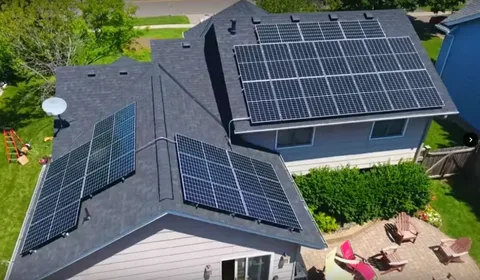
As energy costs continue to rise and environmental concerns grow, many homeowners and businesses are considering solar power system as a sustainable alternative. However, the initial cost of installing solar panels often raises the question: Is a solar power system worth the investment? This article provides a detailed cost breakdown and examines the factors that influence the overall value of solar energy systems.
Understanding the Initial Costs of Solar Power Systems
When evaluating whether a solar power system is worth the investment, the first step is understanding the cost breakdown involved in installation. The initial expenses typically include:
- Solar panels: These are the core components and usually represent the largest portion of the cost.
- Inverter: Converts the DC electricity generated by the panels into usable AC electricity.
- Mounting hardware: Necessary for securing the panels to rooftops or ground mounts.
- Labor and installation fees: Professional installation is crucial for system efficiency and safety.
- Permitting and inspection fees: Depending on local regulations, obtaining permits can add to the initial outlay.
While upfront costs can be substantial, government incentives and tax credits often reduce the financial burden significantly.
Long-Term Savings and Financial Incentives
The key to determining whether a solar power system is worth the investment lies in the long-term savings. After installation, solar panels can reduce or even eliminate your electricity bills, generating substantial savings over time. Factors to consider include:
- Electricity rate increases: As traditional energy costs rise, solar savings grow.
- Net metering: Many areas offer programs allowing solar owners to sell excess electricity back to the grid.
- Tax credits and rebates: Federal and state incentives can lower the effective cost by thousands of dollars.
Evaluating the cost breakdown over the lifespan of the system, often 25 years or more, demonstrates the financial benefits that can outweigh the initial expense.
Environmental and Social Benefits
Beyond finances, investing in solar power contributes to environmental sustainability by reducing reliance on fossil fuels and lowering greenhouse gas emissions. This positive impact adds intangible value to the investment, aligning with growing social responsibility trends and increasing property values.
Conclusion: Is a Solar Power System Worth the Investment?
In summary, the cost breakdown: is a solar power system worth the investment? depends on various factors, including upfront costs, local incentives, energy savings, and environmental benefits. For many, the long-term financial and ecological advantages make solar power a smart, forward-thinking investment that pays off both economically and ethically.
