



Carpal tunnel syndrome is a common condition that affects millions of people worldwide. It occurs when the median nerve, which runs from the forearm into the hand, becomes compressed at the wrist. This can lead to symptoms such as numbness, tingling, weakness, and chronic pain in the hand and fingers. For those whose symptoms do not improve with non-surgical treatments, carpal tunnel surgery can provide significant relief. This article explores From Pain to Relief: Understanding the Process of Carpal Tunnel Surgery and what patients can expect before, during, and after the procedure.
What is Carpal Tunnel Surgery?
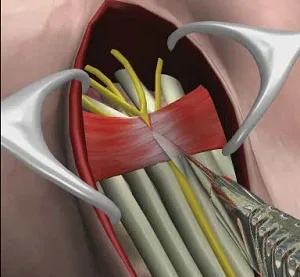
Carpal tunnel surgery is a medical procedure designed to relieve pressure on the median nerve by cutting the ligament that forms the roof of the carpal tunnel. This ligament, known as the transverse carpal ligament, can compress the nerve, causing discomfort and functional limitations. The goal of the surgery is to restore normal nerve function, reduce pain, and improve hand strength.
Types of Carpal Tunnel Surgery
There are two main approaches to carpal tunnel surgery:
- Open Release Surgery – The surgeon makes an incision in the wrist and palm to access and cut the ligament.
- Endoscopic Surgery – A smaller incision is made, and a camera is used to guide the surgical tools, often resulting in a faster recovery.
Preparing for the Procedure
Proper preparation is crucial for a successful outcome. Before surgery, your doctor may perform a series of tests to confirm the diagnosis, such as nerve conduction studies or electromyography. Patients should discuss medical history, medications, and any concerns with their surgeon. Fasting may be required if general anesthesia is planned, though many procedures are performed under local anesthesia with sedation.
The Surgery Process
During the procedure, the surgeon carefully releases the transverse carpal ligament to relieve pressure on the median nerve. Depending on the chosen method, the surgery can take anywhere from 15 minutes to an hour. Patients are typically discharged on the same day and given specific instructions for post-operative care.
Recovery and Rehabilitation
Recovery is a gradual process. Initially, patients may experience swelling, mild pain, or stiffness in the hand. Pain management usually involves over-the-counter medication or prescribed pain relievers. Physical therapy and hand exercises are often recommended to restore strength and mobility. Most individuals notice significant improvement in symptoms within a few weeks, while full recovery may take a few months.
Benefits and Expected Outcomes
The primary benefit of carpal tunnel surgery is the reduction or elimination of pain, tingling, and numbness. Many patients also experience improved hand function, allowing them to return to daily activities and work tasks with greater ease. The procedure has a high success rate, particularly when performed early, before permanent nerve damage occurs.
From Pain to Relief: Understanding the Process of Carpal Tunnel Surgery
Understanding the steps and expectations of carpal tunnel surgery helps patients feel more confident about undergoing the procedure. From pre-operative preparation to post-operative rehabilitation, each stage plays a crucial role in achieving optimal outcomes. By educating themselves, patients can actively participate in their recovery and experience the transformation from pain to relief.
Final Thoughts
Carpal tunnel surgery is a highly effective treatment for individuals suffering from persistent nerve compression in the wrist. By understanding the surgical process, patients can approach the procedure with confidence and anticipate the life-changing benefits it offers. The journey from pain to relief: understanding the process of carpal tunnel surgery is not only about eliminating discomfort but also about regaining strength, mobility, and quality of life.
