



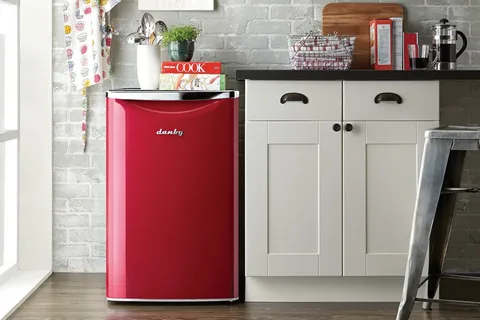
A compact refrigerator is an excellent solution for dorm rooms, offices, small apartments, or even as a secondary fridge. However, simply plugging it in and filling it up isn’t enough to get the best performance. Proper setup and maintenance can help reduce energy use, extend the appliance’s life, and keep your food fresh. In this guide, we’ll walk you through setting up a compact refrigerator: tips for maximum efficiency.
1. Choose the Right Location
Avoid Heat Sources
Place your compact refrigerator away from ovens, radiators, direct sunlight, and other heat-producing appliances. Excessive heat forces the compressor to work harder, increasing energy consumption.
Allow for Ventilation
Leave at least 2 to 3 inches of space around the sides and back of the refrigerator to allow for proper airflow. Ventilation helps the unit release heat efficiently, preventing overheating and improving overall performance.
2. Level the Refrigerator
A compact refrigerator must be level to function properly. If it’s tilted, the coolant may not circulate correctly, and the door might not seal as it should. Use a bubble level and adjust the fridge’s feet until it’s perfectly balanced. This small step plays a big role in setting up a compact refrigerator: tips for maximum efficiency often highlight how leveling impacts performance.
3. Organize the Interior Smartly
Don’t Overpack
While it’s tempting to fill every inch of space, overpacking blocks air circulation inside the fridge, making it harder to maintain a consistent temperature.
Store Items by Zone
Use the coldest parts (usually the back and bottom) for perishables like dairy or meat, and the door for items less sensitive to temperature changes, such as condiments.
4. Set the Right Temperature
Set the internal temperature between 37°F and 40°F (3°C–4°C) for the fridge section, and 0°F (-18°C) for the freezer. Many compact fridges have manual dials without clear temperature indicators, so you may want to use a fridge thermometer to ensure accuracy.
5. Regular Maintenance
Clean the Coils
If your compact fridge has external condenser coils, clean them every few months with a brush or vacuum. Dust buildup can reduce efficiency.
Defrost When Needed
Some compact refrigerators don’t have automatic defrost features. If you notice frost buildup, manually defrost the unit when the frost exceeds ¼ inch thick.
Maintaining your unit is just as important as the initial setting up a compact refrigerator: tips for maximum efficiency always include ongoing care and monitoring.
6. Avoid Frequent Door Opening
Every time you open the fridge, warm air enters, forcing it to work harder to return to the set temperature. Try to keep the door closed as much as possible and decide what you need before opening it.
Conclusion
Whether you’re installing a mini fridge in your dorm room or adding one to your office, setting up a compact refrigerator: tips for maximum efficiency can help you save energy, keep your food fresh longer, and extend the life of your appliance. By paying attention to placement, temperature, organization, and regular maintenance, your compact refrigerator can work at peak performance for years to come.
