



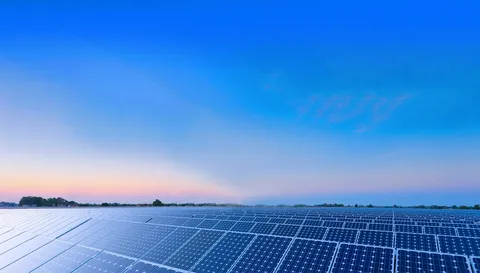
The energy landscape is rapidly evolving, with renewable sources taking center stage. Among these, solar power has emerged as a cornerstone of sustainable energy solutions. The Future of Energy: Advances in Solar Power Systems promises to reshape how we generate, store, and consume electricity. In this article, we explore the latest innovations driving solar technology and what they mean for a greener, more efficient future.
The Rise of Solar Power
Over the past decade, solar energy has seen exponential growth. Technological advancements, combined with decreasing costs, have made solar power accessible to both residential and commercial users. Solar panels are now more efficient, durable, and aesthetically pleasing than ever before, making them an attractive option for reducing carbon footprints.
Governments and private sectors worldwide are investing heavily in solar infrastructure. This investment is crucial for achieving global sustainability goals and reducing dependence on fossil fuels.
Breakthroughs in Solar Panel Technology
Recent advances in solar power systems include the development of multi-junction solar cells, which can capture a broader spectrum of sunlight and significantly increase energy output. Flexible and lightweight solar panels are also becoming more common, allowing integration into surfaces like windows, roofs, and even clothing.
Another exciting development is solar tracking systems, which adjust the angle of solar panels throughout the day to maximize sunlight absorption. These systems enhance efficiency and can boost energy production by up to 40% compared to fixed panels.
Energy Storage and Smart Grids
A key challenge for solar power has always been energy storage. However, improvements in battery technology, such as lithium-ion and solid-state batteries, are enabling homeowners and businesses to store solar energy for use during nighttime or cloudy days.
Integration with smart grids further optimizes energy distribution. These grids can dynamically balance supply and demand, ensuring that solar energy is used efficiently and reducing reliance on traditional power sources.
The Environmental and Economic Impact
Investing in advanced solar power systems offers both ecological and financial benefits. Solar energy reduces greenhouse gas emissions, decreases air pollution, and mitigates climate change. Economically, solar installations can lower electricity bills, create jobs, and stimulate local economies.
The shift toward renewable energy, particularly solar, represents a strategic investment in a sustainable future. By embracing The Future of Energy: Advances in Solar Power Systems, societies worldwide can achieve cleaner, more reliable, and cost-effective energy solutions.
Conclusion
The promise of solar energy continues to grow with every technological advancement. From improved panel efficiency and energy storage solutions to smart grid integration, the opportunities are endless. The Future of Energy: Advances in the Solar Power System is not just a vision—it is becoming a reality, driving us toward a cleaner, brighter, and more sustainable world.
