



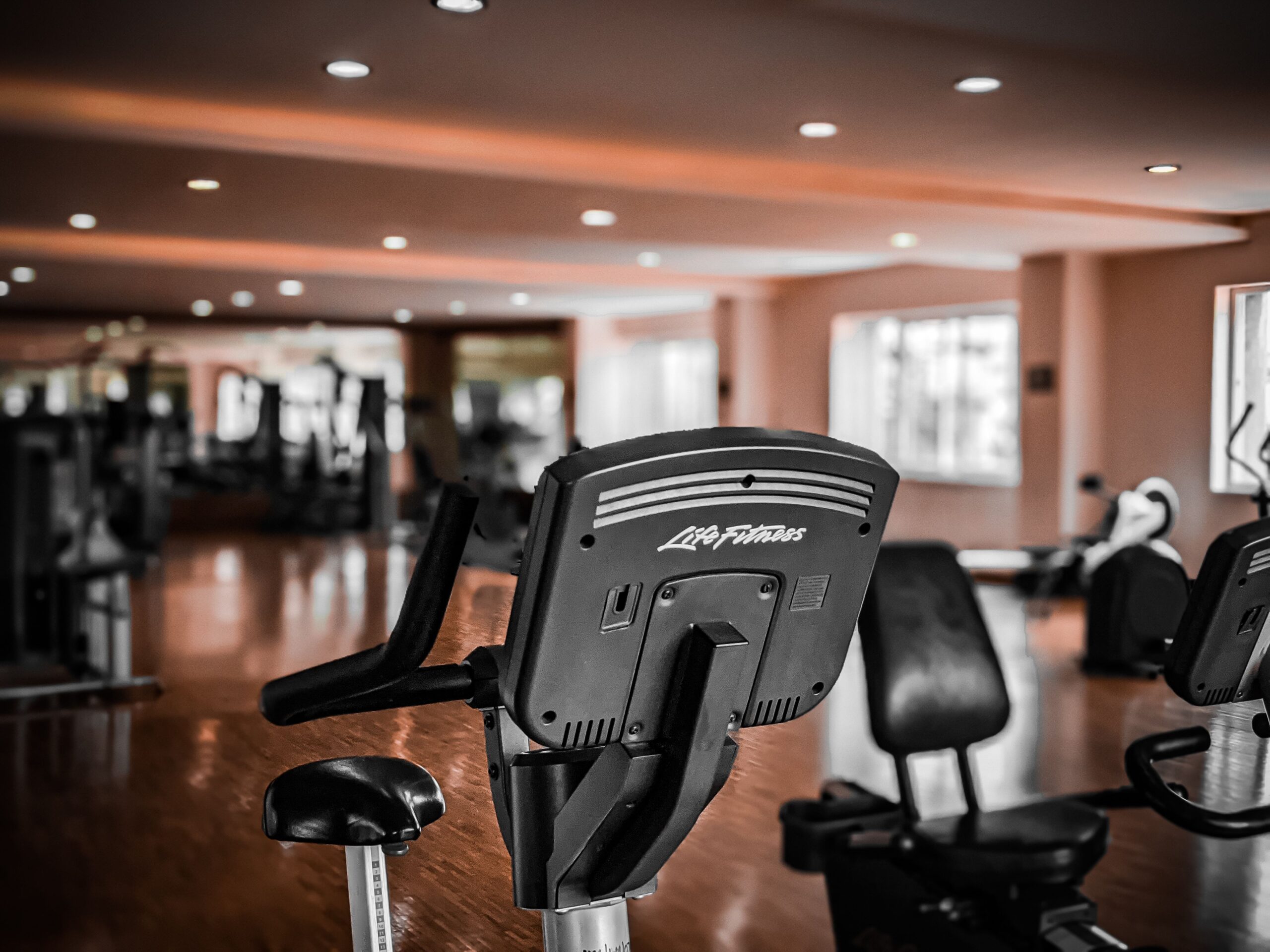
Fitness equipment plays an important role in keeping workouts consistent, whether it is used at home, in a commercial gym or within a training facility. When a treadmill, exercise bike, elliptical or strength machine develops a problem, continuing to use it without addressing the issue may lead to further equipment damage or create unnecessary safety concerns. Knowing what to consider before arranging fitness equipment repair helps you make a more informed decision.
A repair involves more than fixing the visible problem. The underlying cause, equipment condition, replacement parts and technician experience all deserve attention before work begins. Taking time to assess these factors helps you determine the appropriate next step.
Identify the Equipment Problem
Start by identifying what the equipment is doing differently. Pay attention to unusual sounds, inconsistent movement, error messages, power problems or changes in performance. A treadmill that suddenly stops, for example, may have an issue that requires professional inspection rather than a simple adjustment.
Avoid repeatedly operating equipment that shows signs of a serious mechanical or electrical problem. Continued use may place additional strain on affected components and make the original issue harder to diagnose.
Write down when the problem started and what happened immediately before it appeared. Details about recent changes, unusual noises or previous repairs provide useful information when speaking with a technician.
Check the Equipment’s Condition
Age and overall condition also matter when deciding how to approach a repair. Older equipment may have worn components that require attention beyond the original fault. Equipment that has received regular maintenance may have a different repair outlook than a machine that has experienced years of heavy use without servicing.
Inspect the equipment for visible signs of wear. Look at cables, belts, pedals, upholstery, power cords and other accessible components. Do not disassemble electrical or mechanical components unless you have the appropriate knowledge and experience.
A broader inspection may reveal several maintenance concerns that should be addressed during the same service visit. Identifying these issues early helps prevent repeated service appointments.
Review the Manufacturer’s Information
Before scheduling fitness equipment repair, locate the equipment’s model number, serial number and available documentation. This information helps a repair professional identify the correct components and understand the machine’s specifications.
Check whether the equipment is still covered by a manufacturer’s warranty. Unauthorized repairs or replacement parts may affect warranty coverage, depending on the manufacturer’s terms.
Manufacturer documentation may also provide recommended maintenance procedures and troubleshooting information. Simple issues such as loose connections or required maintenance sometimes have straightforward solutions, while more complex faults require professional attention.
Consider Replacement Parts
Replacement parts are an important consideration when repairing fitness equipment. Not every component is interchangeable, and using an unsuitable part may affect performance or safety.
Ask the repair provider about the parts required for the job and whether the replacement components are appropriate for your specific model. It is also useful to understand whether the part is new, refurbished or supplied directly through the manufacturer.
Availability matters as well. If a particular component is discontinued or difficult to source, the repair timeline may become longer. Knowing this before authorizing work helps you plan around potential delays.
Evaluate the Repair Provider
The person handling the repair matters as much as the replacement part. Look for a technician or service company with experience working on the type of equipment that needs attention.
Different machines have different mechanical and electronic systems. A technician familiar with commercial gym equipment, for example, may have experience that differs from someone who primarily services residential machines.
Ask about relevant experience, service procedures and whether diagnostic testing forms part of the repair. Clear answers provide a better understanding of what the service involves.
Ask About Costs Before Work Begins
Repair costs often depend on the equipment, problem and parts required. Before approving service, ask for information about the diagnostic fee, labor charges, replacement parts and any additional expenses that may apply.
A repair estimate gives you a useful basis for comparing the cost of fixing the machine with the cost of replacing it. Consider the equipment’s age, condition and original quality rather than looking at the repair price alone.
Be cautious about approving major work without understanding the expected scope. A clear explanation of the proposed repair helps prevent surprises once the service is underway.
Think About Safety After the Repair
A successful repair should restore proper equipment operation, but safety should remain a priority afterward. Ask whether the technician will test the equipment following the repair and whether any additional maintenance is recommended.
Pay attention to how the machine performs during its first uses after service. Watch for unusual sounds, vibrations, error messages or inconsistent movement. If something does not seem right, stop using the equipment and contact the service provider.
Regular maintenance also helps reduce avoidable problems. Cleaning, lubrication, inspections and manufacturer-recommended servicing help keep equipment in better working condition between repairs.
Decide Whether Repair Makes Sense
Not every damaged machine deserves extensive repair. Equipment that is severely worn, obsolete or repeatedly experiencing problems may require replacement rather than another service visit.
Consider the machine’s age, repair history and remaining usefulness alongside the estimated repair cost. A reliable piece of equipment with one isolated issue may justify repair, while a machine with multiple recurring failures may present a different situation.
Making this assessment before approving work helps you spend money where it provides practical value.
Fitness equipment should support safe and effective workouts rather than become a source of frustration. By identifying the problem, checking the machine’s condition, reviewing manufacturer information and choosing an experienced repair provider, you create a stronger foundation for the service process. Careful attention to parts, costs and post-repair testing also helps keep your equipment reliable for future workouts.
