



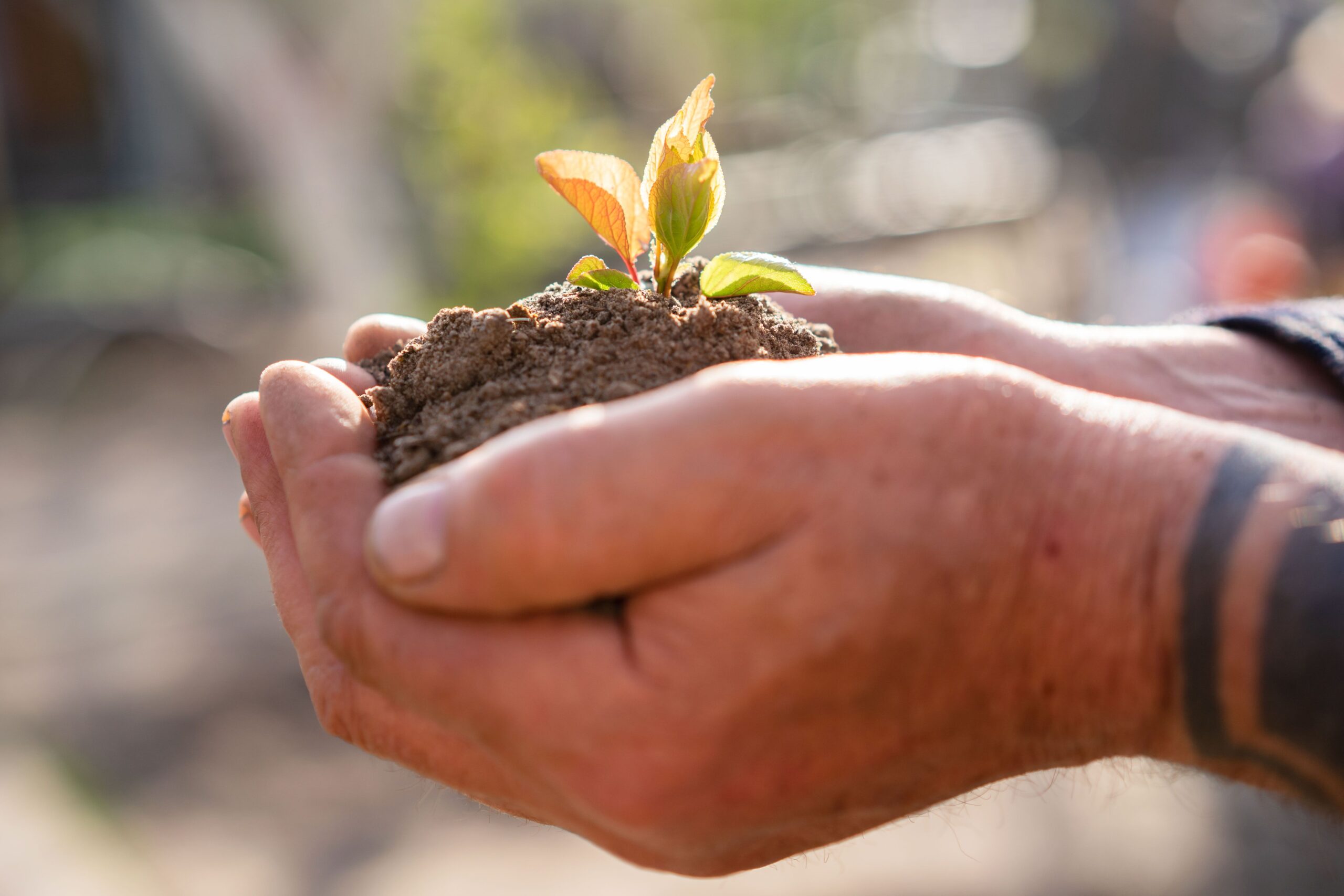
Finding a meaningful way to remember someone who has died can bring comfort during a difficult time. For some families, planting a tree offers a quiet place to reflect while giving new life to a garden or outdoor space. However, cremation ashes need special care when used in a planting project. Their mineral content can affect soil conditions, so learning about preparation, tree selection, and planting methods can help families create a healthy living memorial.
Understand How Cremation Ashes Affect Soil
Cremation ashes are not the same as wood ash or regular garden compost. They contain minerals from the cremation process, including calcium and phosphorus, and can have a high pH and salt content. These qualities may make the surrounding soil less suitable for some plants when ashes are added in large amounts. Placing untreated ashes directly around a young tree’s roots may damage the roots or interfere with healthy growth.
For this reason, families should learn how ashes will be handled before starting a planting project. Some memorial systems use a special growing medium or a container that keeps the ashes separate from the tree’s main root zone. These methods can reduce direct contact while creating a place for remembrance. When you plan to plant a tree with cremation ashes, the goal should be to honor your loved one without making it harder for the tree to grow.
Choose a Tree That Suits the Location
The right tree depends on the climate, soil, available space, and amount of sunlight in the planting area. A tree that thrives in a cool region may struggle in a hot climate, while a large species may eventually outgrow a small yard. Before choosing one, consider its mature height, root spread, watering needs, and seasonal changes. Local garden centers or tree specialists can offer advice on species that grow well in your area.
Families may also choose a tree for personal reasons. A flowering tree may remind them of a loved one’s favorite season, while an evergreen can keep its foliage throughout the year. Still, personal meaning should be balanced with the needs of the planting site. A native tree that suits local conditions may require less extra care once established, making it a thoughtful option for a memorial that is meant to last.
Prepare the Ashes and Planting Area
Before planting, select a location with enough room for the tree’s roots and branches to develop. Check the soil drainage, sunlight, and access to water. Avoid areas where underground pipes, building foundations, or overhead wires may create problems as the tree grows. If you are planting in a public space or shared property, make sure you have permission and understand any local rules about memorial plantings.
Cremation ashes should not simply be poured into the planting hole or piled around the roots. Instead, follow the instructions for the memorial method you choose, especially if it includes a special urn, planting medium, or controlled release system.
Some families prefer to place only a small portion of the ashes with the tree and keep the rest in another memorial form. A qualified arborist or experienced planting professional can help you decide what is suitable for the tree and soil.
Care for the Tree After Planting
A newly planted tree needs steady care while its roots become established. Water it according to the species and local weather, making sure the soil stays moist without becoming waterlogged. Add mulch around the base to help the soil hold moisture and limit weeds, but keep the mulch away from direct contact with the trunk. Check the tree regularly for signs of stress, such as wilting leaves, damaged branches, or unusual changes in growth.
It is also wise to avoid adding extra fertilizer or soil treatments without knowing what the tree needs. Since cremation ashes can change soil chemistry, adding more minerals without testing the soil may cause further problems.
If the tree shows signs of poor growth, a soil test can help identify whether pH or nutrient levels need attention. Consistent care during the early years gives the tree a better chance of becoming a strong part of the landscape.
Create a Memorial That Feels Personal
A memorial tree can become a peaceful place for family members to visit, reflect, or share stories. Some people add a small engraved stone, a simple plaque, or a nearby garden seat, while others prefer to keep the area natural. The memorial does not need many decorations to hold meaning. A thoughtful choice of location and a tree that suits the person’s memory may be enough to make the space feel special.
Families can also make the planting part of a private remembrance gathering. Each person might share a memory, read a short message, or spend a quiet moment near the tree. If relatives live far apart, photographs of the planting and updates on the tree’s growth can help them feel connected to the memorial. The important part is creating a form of remembrance that feels right for the people who will return to it.
Build a Lasting Memorial Through Careful Planting
Planting a tree with cremation ashes can offer a meaningful way to honor someone while adding a living feature to a landscape. The process works best when families understand the properties of cremation ashes and choose a planting method that protects the tree’s roots. Careful site selection, suitable tree species, and regular watering can all support healthy growth during the early stages.
Before beginning, take time to review the planting method and ask for professional guidance if you are unsure about soil conditions. A memorial tree is a living thing that needs the right environment to thrive. With thoughtful preparation and ongoing care, it can become a place where memories are kept and shared for many years.
