



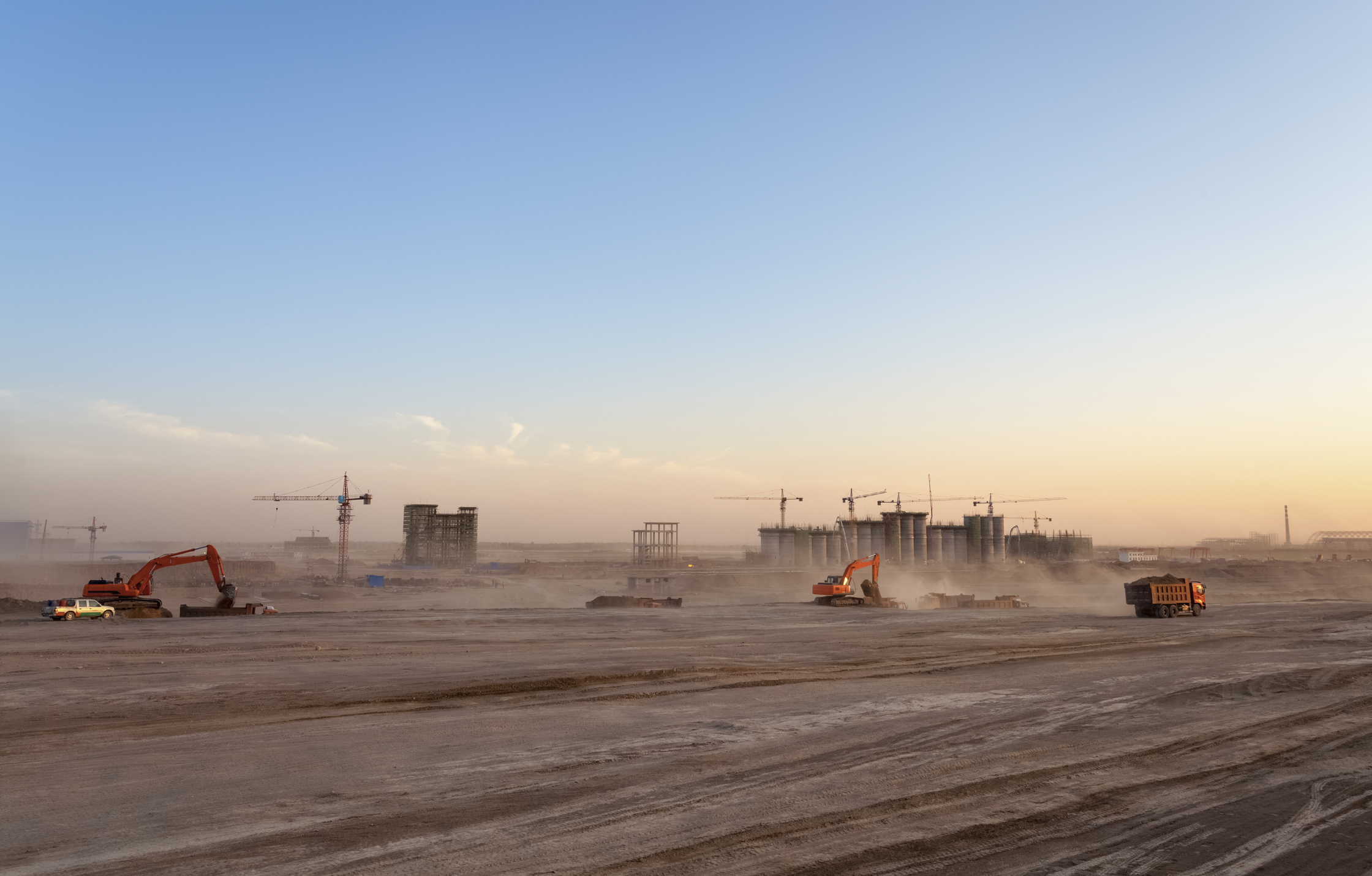
Peak construction season can bring more opportunities, but it can also put pressure on every part of a project. Crews are busier, suppliers face heavier demand, equipment availability tightens, and small delays can quickly affect the schedule; but with planning and site support, contractors can keep work moving.
This article will discuss how you can keep your construction site running smoothly during busy times of the year.
Plan Labor and Equipment Around Your Busiest Periods
Peak season should not be the time to discover that you’re short on workers or equipment. Review upcoming projects well before the busiest weeks and determine where labor, machinery, materials, and backup will be needed most. It’s also important to build realistic schedules that account for delivery windows and the time required for different phases, and identify tasks that could become bottlenecks before they affect the rest of the project.
Equipment deserves the same attention. Make sure to inspect frequently used machinery before peak workloads begin, and arrange maintenance during planned downtime rather than waiting for a breakdown. In the end, you have machinery that maintains productivity without the need to rearrange schedules.
Secure Fuel and Gas Delivery Before Demand Peaks
A construction site cannot afford interruptions caused by an empty fuel tank or delayed energy delivery. During peak season, suppliers may have more customers competing for delivery slots, so contractors should estimate their needs ahead of time and establish dependable replenishment schedules. Arranging gas delivery in advance can help keep essential operations supplied when local demand increases.
To avoid supply surplus or scarcity, monitor your site’s consumption throughout the project rather than relying entirely on estimates made at the beginning. Usage can change as additional equipment arrives or working hours increase. A consistent supply plan also gives site managers better visibility into operating costs and reduces the risk of an unexpected interruption. Communication matters here. Contractors should maintain contact with their suppliers and confirm that delivery arrangements can accommodate changes in the construction schedule.
Protect Productivity From Weather and Site Delays
Peak season does not eliminate weather-related problems. Summer heat can create difficult working conditions, while sudden storms can interrupt excavation, concrete work, roofing, and other outdoor tasks. So, build weather contingencies into the schedule instead of treating every delay as an exception. When possible, organize indoor or less weather-sensitive work that crews can shift to when outdoor activities have to pause, to avoid complete loss of daily productivity.
Site preparation also makes a difference. Proper drainage, covered material storage, stabilized staging areas, and clearly maintained access routes can help reduce the disruption caused by changing conditions. Supervisors should monitor forecasts and communicate schedule adjustments quickly.
Coordinate Deliveries With the Construction Schedule
Material deliveries can become a major source of congestion when multiple projects are competing for supplies. Avoid ordering everything at once during busier phases. Instead, coordinate deliveries with the site’s actual progress and available storage space. Materials arriving too early can occupy valuable working areas, while materials arriving too late can leave crews waiting.
Clear communication with suppliers is essential – confirm expected delivery windows and provide accurate site instructions, particularly when access is limited or traffic patterns change during construction. Site managers should also track high-priority materials so they can identify potential shortages before those shortages stop work.
Maintain Clear Communication Across Every Crew
A busy construction site can become disorganized quickly due to misinformation. Establish straightforward communication procedures for schedule changes, safety concerns, deliveries, equipment problems, and shifting priorities. Supervisors should make sure workers understand the day’s objectives and know who to contact when an issue arises, ensuring that work doesn’t grind to a halt while crews wait for directions.
Technology can make this process easier: digital scheduling platforms, messaging systems, cloud-based programs, and project management tools can give teams access to current information without requiring constant meetings. Still, technology works best when supported by consistent habits. Short check-ins and timely updates can prevent misunderstandings before they become costly delays.
Conclusion
Keeping a construction site productive during peak season requires preparation before pressure builds. Contractors who plan labor and equipment carefully, secure reliable fuel and gas supplies, prepare for weather, coordinate deliveries, and maintain communication are better positioned to keep projects moving.
Peak season will always bring challenges, but an organized operation can handle them without letting every small disruption derail the schedule.
