



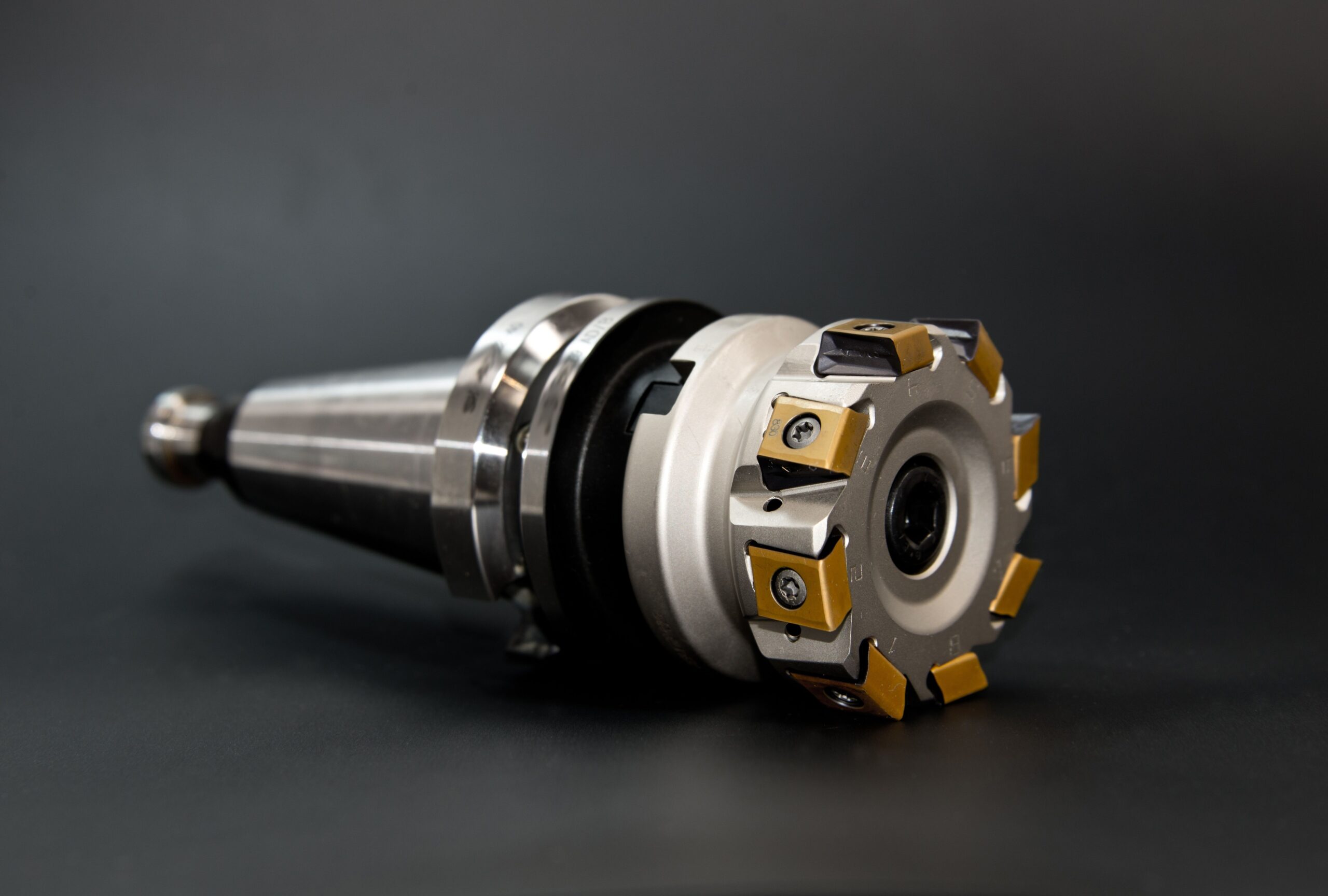
Machining facilities constantly look for smart ways to complete complex parts without purchasing expensive multi-axis equipment. Standard three-axis milling machines perform exceptionally well for straight vertical cutting and flat surface cleaning, but radial features often force shops to transfer parts onto a turning lathe. Adding specialized facing and grooving attachments allows a standard vertical mill to handle complex internal contours in a single continuous setup.
Eliminating secondary lathe operations speeds up overall production schedules while keeping manufacturing costs under control. Machine operators save valuable time by avoiding repeated part clamping, which also reduces human handling errors. Modern mechanical attachments give legacy machinery impressive new versatility without requiring massive capital investments.
Unlocking Dynamic Radial Movement on Standard Vertical Milling Spindles
Standard three-axis mills move tools along linear paths, which limits their ability to carve out circular grooves on stationary workpieces, but facing and grooving attachments solve this challenge by translating standard spindle rotation into precise radial tool movement across the cutting face. This mechanical conversion allows the cutting tip to move outward while spinning, creating accurate flat surfaces and deep internal channels while keeping the main workpiece securely clamped in place. Furthermore, integrating this dynamic motion directly into the milling spindle eliminates the need for complex custom fixtures or secondary turning machines, transforming a basic milling setup into a versatile production hub.
Improving Machining Accuracy through Single Setup Part Processing
Moving a heavy metal part from a milling machine to a turning lathe introduces small positioning errors that compromise final product tolerances. Every time an operator unclamps a workpiece, subtle shifts can cause misalignments between drilled holes and circular grooves. Utilizing advanced tooling attachments ensures that all features remain perfectly centered relative to the original setup.
Maintaining a single workholding position keeps critical geometry locked in place throughout the entire machining cycle. Concentricity remains precise because the tool moves around the part rather than forcing the part to spin on a separate spindle. Single setup machining produces consistent, high quality components while reducing expensive scrap rates.
Streamlining Internal Geometry Cutting and Custom O-Ring Recess Operations
Precision sealing surfaces like internal O-ring seats and retention ring channels require smooth surface finishes to prevent fluid leaks. Specialized attachments move cutting inserts laterally across inside walls, forming crisp, uniform grooves at exact depths. This controlled mechanical sweep produces clean interior profiles that standard end mills simply cannot replicate.
Machining complex internal features in one smooth pass minimizes tool wear and prevents chatter marks on raw metal surfaces. Specialized tooling solutions like modular boring heads demonstrate how adaptable spindle attachments give operators precise control over internal diameters. Smooth tool feeds ensure that seal channels meet strict industrial quality standards every single run. Maintaining stable cutting speeds during these internal operations also protects delicate tool edges from premature failure.
Reducing Overall Capital Equipment Expenditures for Growing Machine Shops
Purchasing dedicated turning centers or multi-axis machines demands significant capital outlays that can strain a small machine shop budget, but outfitting existing three-axis mills with versatile attachments delivers advanced machining capability at a fraction of the cost. Shop owners can accept complex jobs without taking on heavy machinery financing or expanding floor space because these mechanical additions maximize current machinery usage. Boosting daily profitability across active production floors shortens payback periods, while existing operators easily adapt to the straightforward programming logic, making this upgrade a practical path toward expanding business capacity safely.
Accelerating Production Cycle Times across High Volume Manufacturing Runs
Swapping parts between separate machines creates massive bottlenecks that slow down entire factory floors. Completing facing and grooving on a single milling machine dramatically shortens overall part cycle times. Faster turnaround allows shops to ship completed orders quicker while maximizing daily machine utilization rates. Eliminating extra part handling keeps production lines moving efficiently and consistently throughout the workday.
Automated tool paths combined with reliable mechanical attachments keep spindle run times consistently high throughout every shift. Operators spend less time loading parts and more time monitoring smooth cutting performance. Streamlined production workflows help manufacturing facilities stay competitive in demanding markets.
Maximizing Existing Shop Capacity with Modern Tooling Innovations
Upgrading three-axis mills with facing and grooving attachments fundamentally changes how machine shops approach complex component production. Integrating radial motion directly into standard milling spindles unlocks advanced geometry cutting without requiring expensive machinery purchases. Shops protect product accuracy by keeping workpieces locked in a single secure fixture from start to finish.
Investing in adaptable tooling attachments maximizes output from equipment already on the shop floor. Lowering expenses and setup times directly strengthens operating margins for growing businesses. These smart additions expand shop capabilities without taking up extra floor space.
Modern mechanical attachments empower three-axis mills to deliver exceptional precision and efficiency on every project. Streamlining workflows ensures that shops stay competitive in an increasingly demanding manufacturing landscape. Adapting current equipment remains one of the safest strategies for sustainable business growth.
