



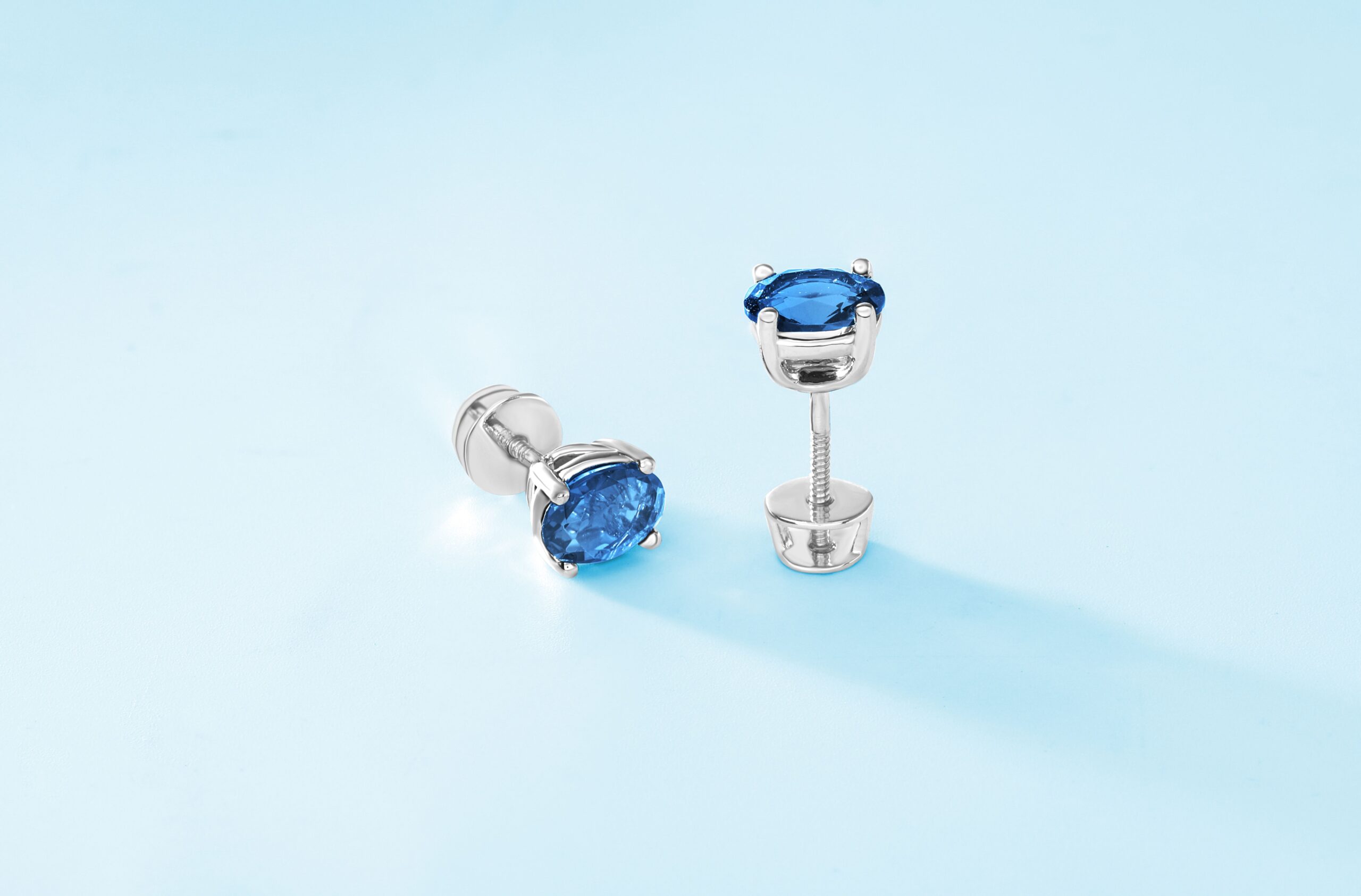
Earrings are a simple way to add personality to an outfit, but comfort matters just as much as appearance. Traditional earring backs may press against the skin, catch on clothing, or feel uncomfortable when resting your head against a pillow. Flat back stud earrings offer a different design, with a flat disc that sits behind the ear instead of a small, raised backing. Knowing how these earrings work can help you decide whether they suit your piercing and daily routine.
Understand the Flat Back Design
Flat back stud earrings have a decorative front and a flat, disc-shaped backing that rests against the back of the ear. This design creates a smooth surface that may feel less intrusive than the butterfly backs found on many standard earrings. The post passes through the piercing, while the backing helps keep the jewelry in place. Depending on the style, the front may feature a small gemstone, a simple metal shape, or another decorative detail.
The design is often used for cartilage piercings, such as the helix and tragus, although certain styles may suit healed lobe piercings as well. Since the backing does not have the same pointed or bulky shape as some traditional closures, it may be less likely to snag on hair or fabric. However, comfort still depends on the post length, jewelry material, and placement of the piercing.
Compare Threaded and Threadless Closures
Flat back jewelry comes with different ways to secure the decorative front. Threaded designs use a front piece that screws onto the post. Some have internal threading, where the threaded section sits inside the post, while others use external threading. The correct parts need to match, and the front should be secured according to the maker’s instructions to reduce the chance of it loosening.
Threadless styles work differently because the front uses a small pin that fits into the post. The pin is slightly bent to create tension, helping hold the decorative piece in place. Neither closure is automatically best for everyone. The choice may depend on personal preference, ease of handling, and the specific jewelry design. Anyone who has trouble fitting small jewelry pieces may benefit from help from a professional piercer.
Choose Materials That Suit Your Skin
Jewelry material matters because a piercing can react to certain metals. Implant-grade titanium is often considered a suitable option for people who need to avoid nickel exposure, provided the jewelry meets the appropriate material standards. Solid gold may be another choice when it is made for body jewelry and has a suitable alloy. The finish and quality matter, so the material name alone does not tell the whole story.
When shopping for flat back stud earrings, check the product details instead of relying only on appearance. Plating may wear away with use, exposing a different metal underneath. If you have sensitive skin or have experienced reactions to jewelry, ask a qualified piercer about material options that fit your needs. A well-made piece should have a smooth finish without rough edges that may rub against the piercing.
Find the Right Post Length and Fit
A flat back earring should sit comfortably without squeezing the tissue around the piercing. A post that is too short may place pressure on the ear, especially if swelling occurs, while an overly long post may move around or catch on hair. The right length depends on the piercing location, the thickness of the ear, and whether the piercing is fully healed.
New piercings may need extra room to allow for normal swelling, so jewelry should not be changed without suitable guidance. A professional piercer can assess the fit and help select the correct size. Once swelling has settled, the jewelry may need a shorter post to reduce movement. Avoid forcing a backing into place or continuing to wear jewelry that causes pain, pressure, or unusual swelling.
Care for Earrings and Piercings Properly
Good jewelry care begins with clean hands and gentle handling. Follow the aftercare instructions provided by your piercer, and avoid twisting or repeatedly touching the jewelry without a reason. Harsh cleaning products may irritate the skin, while frequent removal can disturb a healing piercing. If the jewelry becomes loose, ask a piercer how to secure it rather than repeatedly trying to adjust the closure yourself.
For healed piercings, clean the jewelry as recommended for its material and design. Check the front and post occasionally for damage, rough spots, or loose parts. If you notice increasing redness, warmth, discharge, or worsening pain, seek advice from a qualified healthcare professional. Jewelry should not be used to hide symptoms that may point to an infection or another problem.
Choose Flat Back Earrings for Everyday Comfort
Flat back stud earrings can be a practical choice for people who want a smooth backing and a simple look. Their design may reduce rubbing against pillows or snagging on clothing, but the right fit and suitable materials are still essential. Piercing location, healing stage, and closure type all affect the wearing experience, so it is worth checking these details before choosing a pair.
A comfortable earring should feel secure without pressing tightly against the ear. By learning about the design, checking the post size, and following proper care steps, you can make a more informed choice for your piercing. If you are unsure about sizing or jewelry for a healing piercing, a qualified piercer can help you find an option that fits safely.
