



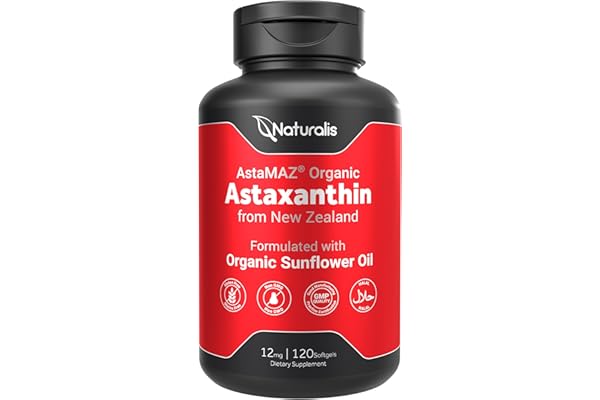
Introduction
In recent years, interest in carotenoid-based supplements has grown rapidly, especially for vision support and long-term eye wellness. Among them, astaxanthin supplement nz for Eye Health: What Research Says in 2026 has become a frequently searched topic as more people look for natural ways to support vision in a digital-heavy world.
This article explores what current research suggests about astaxanthin, how it may support eye health, and what consumers in New Zealand should know before choosing a supplement.
What Is Astaxanthin?
Astaxanthin is a naturally occurring carotenoid pigment found in microalgae, salmon, krill, and certain shellfish. It is responsible for the reddish-pink color seen in seafood like salmon and shrimp.
Unlike many antioxidants, astaxanthin is fat-soluble and can cross biological membranes, including those in the eyes and brain. This unique property is one reason it has attracted scientific attention for vision-related benefits.
How Astaxanthin Supports Eye Health
Research into astaxanthin has expanded over the past decade, with several studies focusing on eye strain, retinal health, and oxidative stress.
1. Reduction of Eye Fatigue
Modern lifestyles involve long hours of screen exposure, which can lead to digital eye strain. Some studies suggest astaxanthin may help reduce symptoms such as:
- Eye tiredness
- Blurred vision after screen use
- Dry or irritated eyes
This is believed to be linked to its antioxidant and anti-inflammatory effects.
2. Protection Against Oxidative Stress
Oxidative stress is one of the key factors in age-related eye conditions. Astaxanthin is considered a powerful antioxidant that may help neutralize free radicals in ocular tissues.
This is why Astaxanthin Supplement NZ for Eye Health: What Research Says in 2026 continues to appear in discussions about preventive eye care and aging vision support.
3. Support for Retinal Function
Some early clinical research suggests astaxanthin may help support blood flow to the retina and maintain healthy visual function. While more large-scale studies are needed, initial findings are promising for long-term eye wellness.
What Research Says in 2026
As of 2026, scientific interest in astaxanthin is still growing. Researchers are particularly focused on its role in:
- Blue light exposure protection
- Visual acuity under fatigue conditions
- Long-term retinal health support
While results are encouraging, experts emphasize that astaxanthin should be viewed as a supportive supplement rather than a treatment for eye diseases.
It is also important to note that outcomes vary depending on dosage, formulation, and individual health conditions.
Choosing an Astaxanthin Supplement in NZ
When selecting a supplement in New Zealand, consumers should consider several factors:
Quality and Source
Astaxanthin derived from natural microalgae (such as Haematococcus pluvialis) is generally considered the most effective and pure form.
Dosage
Typical daily doses in studies range from 4 mg to 12 mg, depending on the intended benefit.
Additional Ingredients
Some formulations combine astaxanthin with other eye-support nutrients like:
- Lutein
- Zeaxanthin
- Omega-3 fatty acids
These combinations may provide broader visual support.
Potential Benefits and Limitations
Potential Benefits
- May reduce digital eye strain
- Supports antioxidant protection in eye tissues
- May assist with overall visual comfort
Limitations
- Research is still developing
- Not a replacement for medical treatment
- Results may vary between individuals
Even though Astaxanthin Supplement NZ for Eye Health: What Research Says in 2026 highlights promising findings, it is important to maintain realistic expectations.
Who Might Consider Astaxanthin?
Astaxanthin supplements may be of interest to:
- People who spend long hours on screens
- Older adults concerned about vision aging
- Individuals exposed to high levels of oxidative stress
- Those seeking general eye health support
However, anyone with existing eye conditions should consult a healthcare professional before starting supplementation.
Final Thoughts
Astaxanthin continues to be one of the most studied natural antioxidants for vision support. While research is ongoing, early findings suggest potential benefits for eye strain relief, oxidative protection, and overall retinal health.
